

Madikwe Game Reserve - '25
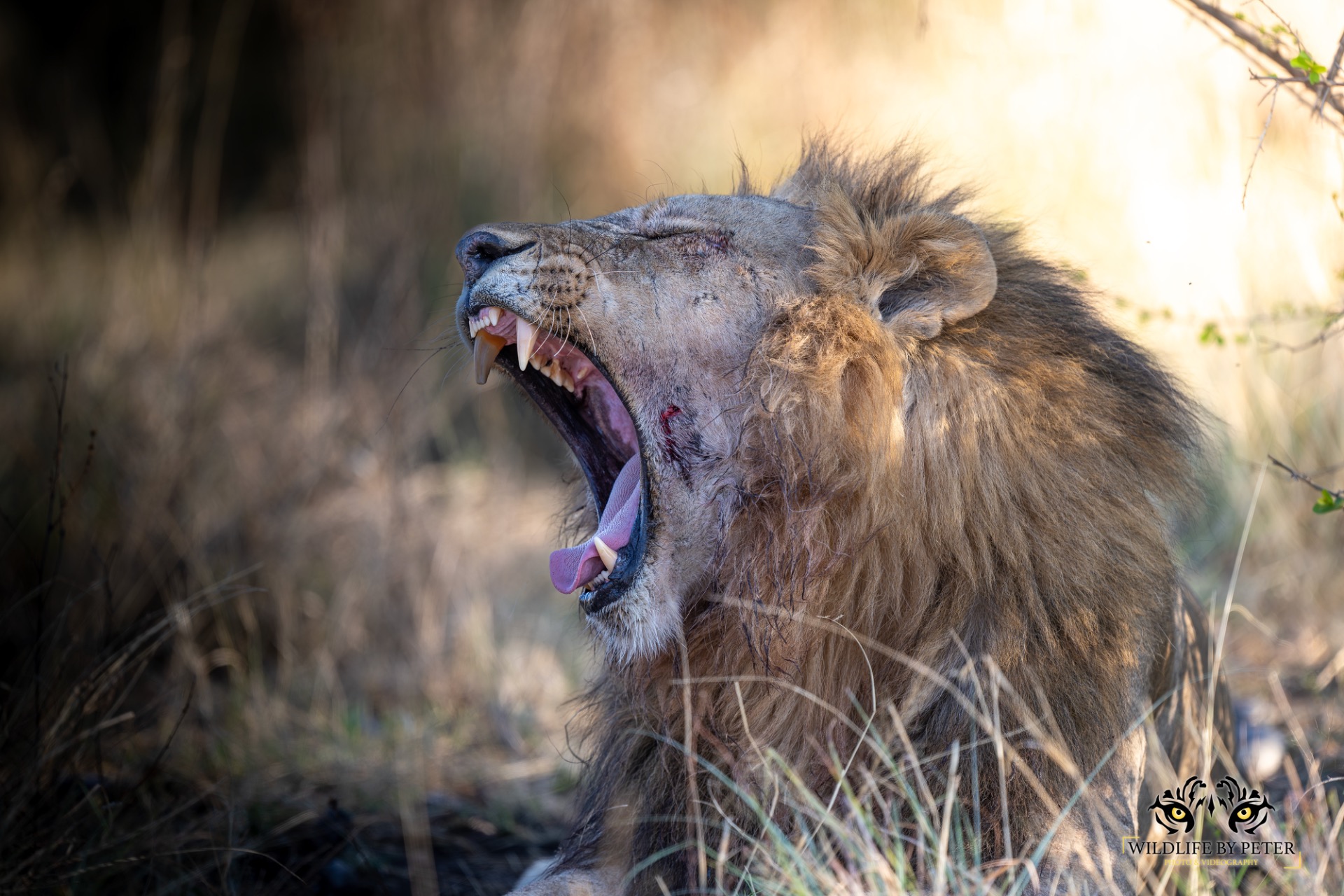
Discovering the Magic of Madikwe Game Reserve
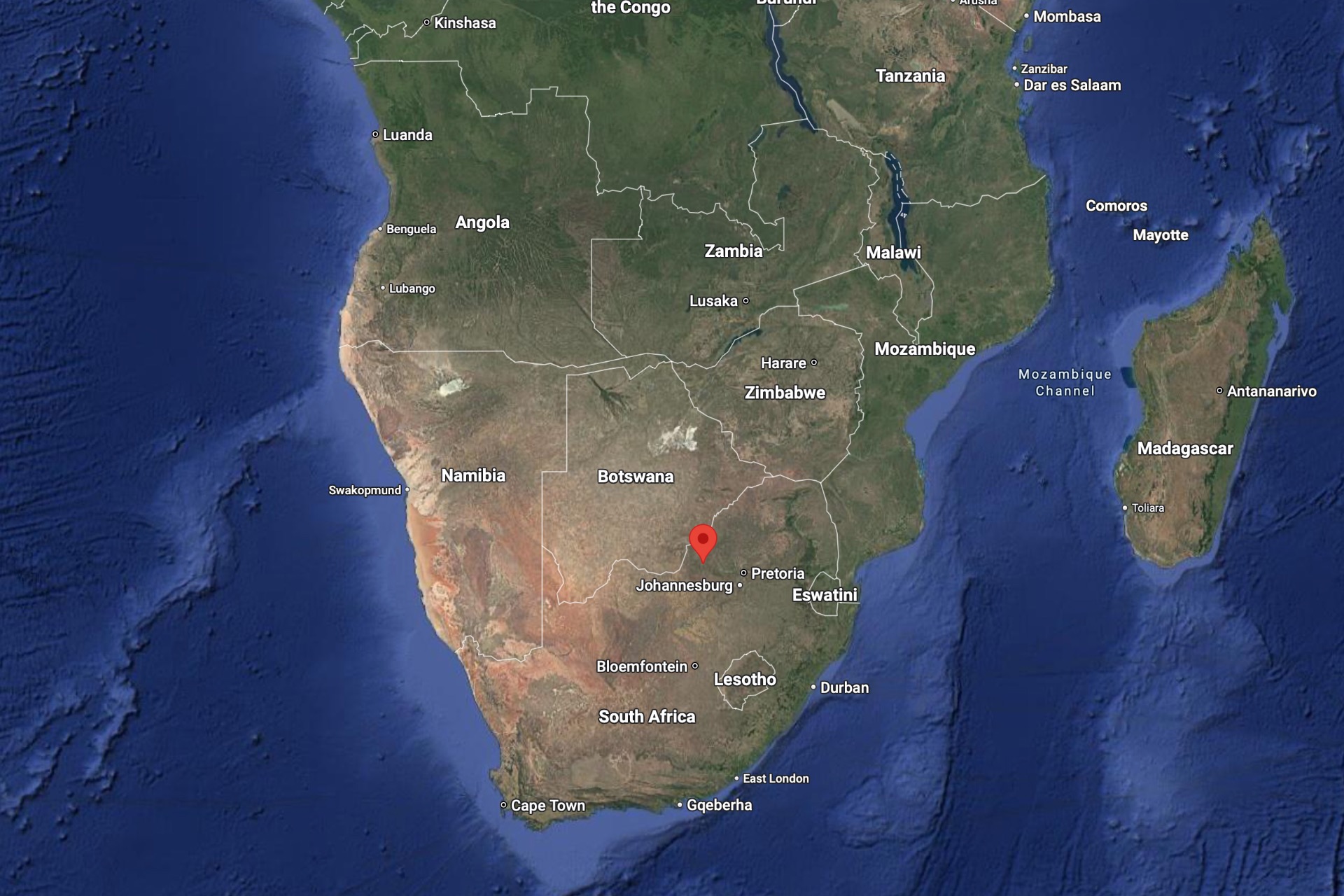
Hidden away in South Africa's North West Province, along the border with Botswana, lies one of the country's best-kept safari secrets — Madikwe Game Reserve. Unlike the more famous Kruger National Park, Madikwe offers an exclusive, malaria-free safari experience that combines luxury, tranquility, and exceptional wildlife viewing.
A Brief History
Madikwe's story is as fascinating as the landscape itself. Once an overgrazed farmland, the reserve was transformed in the early 1990s through one of the largest reintroduction projects in Africa, Operation Phoenix. Over 10,000 animals were relocated to this new sanctuary, including Africa's iconic Big Five — lion, leopard, rhino, elephant, and buffalo — as well as endangered species such as the African wild dog. Today, Madikwe stands as a conservation success story and a model of sustainable tourism.
Wildlife and Wilderness
Spanning over 75,000 hectares, Madikwe's terrain shifts from open grasslands and rolling hills to dense bushveld and riverine forests. This diversity creates a haven for more than 60 mammal species and 350 bird species, making every game drive unique.
Morning and evening safaris often reveal thrilling scenes — elephants bathing in the Marico River, cheetahs sprinting across the plains, or packs of wild dogs on the hunt. And with a strict limit on visitor numbers, you'll rarely find more than a couple of vehicles at any sighting — an intimacy that's hard to find elsewhere.
Luxury Meets Authentic Africa
Madikwe's lodges are known for their understated elegance and warm hospitality. Whether you're staying at an exclusive five-star lodge with a private plunge pool or a family-friendly camp with panoramic views, each property blends seamlessly into the bush. Expect gourmet meals, expert guides, and the soothing sounds of nature as your soundtrack.
A Responsible Safari Destination
Beyond the wildlife, Madikwe is a shining example of community-driven conservation. The reserve was designed to benefit local communities through employment and tourism partnerships, ensuring that the people who live around the park also share in its success. By visiting, you directly support these initiatives and help preserve this remarkable ecosystem for generations to come.
Why Visit Madikwe?
If you're seeking an authentic safari without the crowds, malaria risk, or long travel times, Madikwe is the perfect choice. It's easily accessible from Johannesburg (about a 4–5 hour drive or a short charter flight), yet feels a world away from city life.
Here, the sunsets are golden, the stars are endless, and every game drive brings the promise of discovery. Madikwe isn't just a destination — it's a feeling, a reminder of Africa's wild heart and the quiet power of nature to restore and inspire.
Below you can find my 4K movie of the magic of Madikwe
Dream destination for wildlife photographers!
Madikwe Game Reserve is a dream destination for wildlife photographers! The reserve's varied habitats and balanced predator-prey ecosystem make it one of the best places in South Africa to capture both dramatic action shots and serene wildlife portraits.
Here's a breakdown of key animals to photograph in Madikwe, along with some photography tips for each:
🦁 1. Lions
Madikwe has a healthy population of lions, often seen lounging on termite mounds or patrolling the savanna in the golden morning light.
Photo tip: Aim for early morning or late afternoon when the light is soft and warm. Look for interaction shots — a pride feeding, cubs playing, or males roaring at sunset.
🐘 3. Elephants
Large herds roam freely in Madikwe, especially around waterholes like Tlou Dam. Their behavior and size make for breathtaking photography opportunities.
Photo tip: Frame elephants against sunsets or reflections in the water. Close-ups of trunks, tusks, and eyes often make powerful compositions.
🐃 4. African Buffalo
These massive animals move in impressive herds and are one of the Big Five. They're often seen at waterholes in the cooler hours.
Photo tip: Capture the dust and movement of a herd at dawn or dusk for a dramatic, moody effect.
🦏 5. Rhinos (Black and White)
Madikwe is one of the few reserves where both black and white rhinos can be photographed safely and ethically.
Photo tip: White rhinos are more common in open areas — perfect for wide shots. Black rhinos are more secretive, so patience and a telephoto lens help.
🐕 6. African Wild Dogs
A highlight of Madikwe — and one of Africa's most endangered carnivores. Their pack dynamics and high-speed chases make for thrilling images.
Photo tip: When you find them, stay with the pack — they're very active early in the morning or just before sunset. Use a fast shutter speed to freeze the action.
🐆 7. Cheetahs
Madikwe's open plains are ideal for cheetahs. You may catch them perched on a termite mound scanning for prey or sprinting across the veld.
Photo tip: Track them at first light or just before dark. A fast shutter and continuous autofocus are essential for chase sequences.
🦒 8. Giraffes & Zebras
Perfect for classic African silhouettes, especially at sunrise or sunset.
Photo tip: Use backlighting to highlight their outlines against the glowing horizon, or go for artistic compositions with trees and sky.
🐦 9. Birds
With over 350 bird species, Madikwe is a paradise for bird photographers — from lilac-breasted rollers to martial eagles.
Photo tip: A good zoom lens (400mm or more) and quick reflexes help. Waterholes are the best spots for bird action and reflections.
🐾 10. Hyenas, Jackals, and Nocturnal Life
Night drives reveal another side of Madikwe — hyenas, jackals, owls, and sometimes aardvarks or porcupines.
Photo tip: Bring a camera that performs well in low light, and experiment with spotlight photography for creative effects.
📸 General Photography Tips for Madikwe
Golden hours (sunrise & sunset) give the best light.
Ask your guide to position the vehicle for ideal backlighting or clean backgrounds.
Be patient — the best shots often come from waiting and observing behavior.
Respect the animals — never pressure your guide to get closer than is safe.